Introduction
The term “gun show loophole” is frequently cited in debates about gun control in the United States. Many believe that these events allow individuals to purchase firearms without undergoing background checks, creating a significant gap in gun regulations. However, the reality is more nuanced and complex. This article aims to dissect the myth of the gun show loophole, providing a detailed analysis of how gun sales are regulated, the types of transactions that occur at gun shows, and the broader implications for gun control policy.
What is the Gun Show Loophole?
The so-called gun show loophole refers to the belief that private sellers at gun shows can sell firearms without conducting background checks on buyers. This idea has been perpetuated by media reports and political rhetoric, suggesting that gun shows are a major source of firearms for criminals and individuals who are otherwise prohibited from owning guns.
Federal Gun Laws and Background Checks
Under federal law, all licensed firearms dealers (Federal Firearms Licensees or FFLs) must perform background checks on buyers through the National Instant Criminal Background Check System (NICS). This requirement applies to all sales, regardless of where they take place, including gun shows. The background check system is designed to prevent individuals with criminal records, mental health issues, and other disqualifying factors from purchasing firearms.
Private Sales and State Regulations
The confusion around the gun show loophole largely stems from the distinction between licensed dealers and private sellers. Private sellers, who are not engaged in the business of selling firearms, are not required by federal law to conduct background checks. This means that private individuals can sell guns to other private individuals without a background check, whether at a gun show or elsewhere.
However, it’s important to note that many states have implemented their own regulations regarding private sales. Some states require background checks for all firearm transactions, while others have more lenient laws. Therefore, the extent to which private sales are regulated varies significantly across the country.
Understanding Gun Shows
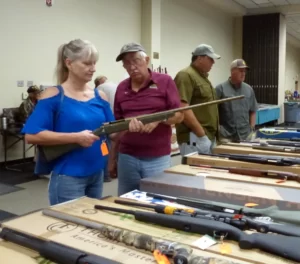
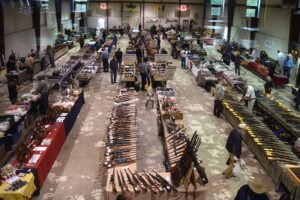
Gun shows are events where multiple vendors, including both licensed dealers and private sellers, gather to sell firearms, ammunition, and related accessories. These events are often portrayed as lawless marketplaces where anyone can easily obtain a gun. However, this depiction is far from accurate.
The Role of Licensed Dealers at Gun Shows
The majority of firearms sold at gun shows are sold by licensed dealers, who are legally required to conduct background checks on all buyers. According to data from the Bureau of Alcohol, Tobacco, Firearms and Explosives (ATF), licensed dealers account for a significant portion of the sales at these events. As such, the claim that gun shows provide an unchecked avenue for purchasing firearms is misleading.
Private Sellers at Gun Shows
While it is true that private sellers can operate at gun shows, they typically constitute a small fraction of the total vendors. Furthermore, many private sellers at gun shows are hobbyists or collectors who are not in the business of selling firearms. The transactions conducted by these individuals are often between people who already know each other, reducing the likelihood of selling to someone prohibited from owning a firearm.
Criminal Acquisition of Firearms
One of the primary concerns driving the myth of the gun show loophole is the fear that criminals are obtaining firearms through these events. However, studies have shown that the vast majority of firearms used in crimes are not purchased at gun shows. According to a survey conducted by the Bureau of Justice Statistics, only about 0.8% of prisoners who used a firearm during their offense obtained it at a gun show. Most criminals acquire guns through illegal means, such as theft or the black market.
State-Level Efforts to Close the Gun Show Loophole
In response to concerns about private sales and background checks, several states have enacted laws to close what they perceive as the gun show loophole. These laws typically require background checks for all firearm transactions, including those conducted by private sellers. States like California, Colorado, and Oregon have implemented universal background check laws, while others have specific regulations for gun show sales.
The Impact of State Laws
The effectiveness of these state laws varies, and their impact on gun violence and crime rates is a subject of ongoing debate. Some studies suggest that universal background check laws can help reduce the number of firearms entering the illegal market, while others indicate that these measures have a limited effect on overall gun violence. The discrepancy in findings highlights the complexity of the issue and the need for comprehensive approaches to gun control.
Public Perception and Media Influence
The persistent belief in the gun show loophole is partly fueled by media coverage and political rhetoric. High-profile incidents and sensationalized reporting can create a skewed perception of gun shows and the regulations governing them. It’s essential for the public to critically evaluate the information presented by the media and seek out credible sources to form a more accurate understanding of the issue.
The Importance of Education and Awareness
Educating the public about the realities of gun laws and the regulations governing firearm sales is crucial in debunking the myth of the gun show loophole. By providing accurate information and addressing misconceptions, policymakers and advocates can foster a more informed and productive dialogue about gun control.
FAQs
How are gun shows regulated?
Gun shows are regulated under the same federal laws that govern other firearms sales. Licensed dealers must conduct background checks on buyers, while private sellers are subject to state-specific regulations.
Do private sellers at gun shows need to conduct background checks?
Federal law does not require private sellers to conduct background checks, but some states have enacted laws that mandate background checks for all firearm transactions, including those conducted by private sellers at gun shows.
Are gun shows a significant source of firearms for criminals?
Studies indicate that gun shows are not a major source of firearms for criminals. Most firearms used in crimes are obtained through illegal means, such as theft or the black market.
What percentage of firearms sold at gun shows are from licensed dealers?
The majority of firearms sold at gun shows are sold by licensed dealers, who are required to conduct background checks on all buyers.